Interesting.
The climate changes every day.
3 Likes
Weather changes every day, not climate.
2 Likes
So the specificity of the study is impressive, but the premise itself is based on the pretty common knowledge of prolonged exposure to adverse environments= adverse health outcomes.
1 Like
I’ve noticed that when it’s hot outside it’s climate and when it’s cold outside it’s weather.
1 Like
Not sure where you’re noticing that but it’s not true.
4 Likes

It’s like a combination of both.
Hotter climates will probably result in more sedimentary lifestyles… well… because it’s too hot outside.
I would think there’s a balance. The winter climes are warmer so people would get out more
Is that another term for “dirt nap”? 
4 Likes
As opposed to igneous and metamorphic lifestyles?

LOL sorry typo there
Sedentary!
1 Like
Lolololol
Always some gymnastics. Those aren’t trees. It’s a forest!!!
1 Like
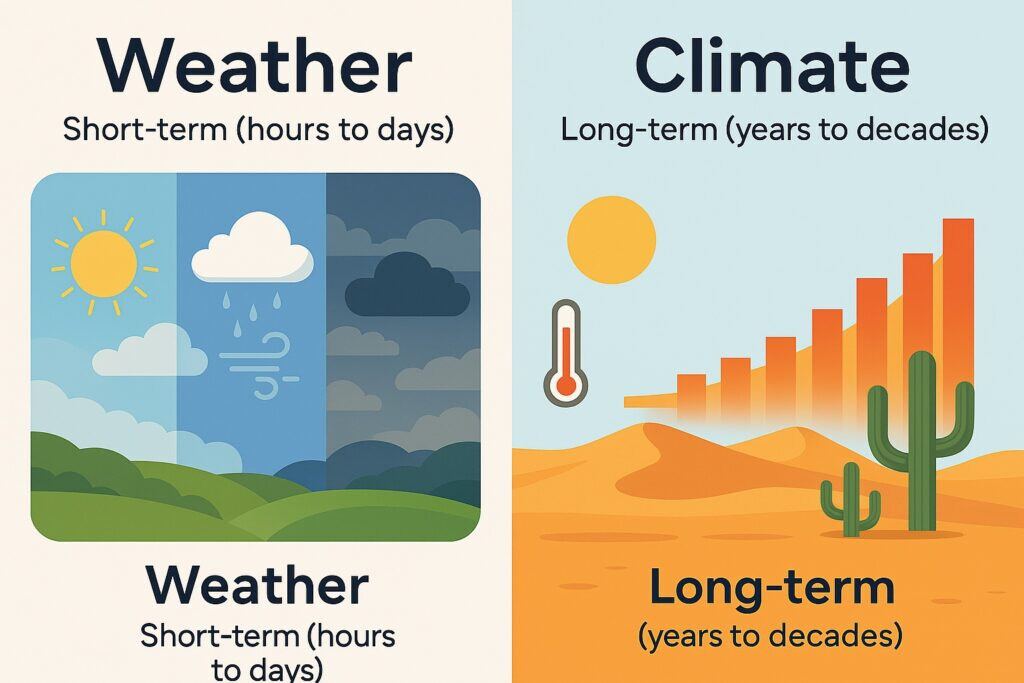
Not sure when the dictionary became gymnastics.
A forest is thousands of trees. Climate is thousands of days of weather. That’s the definition. One tree isn’t a forest, and one day isn’t climate. Words matter.
4 Likes
Meanwhile you can control your climate daily in your house…
where is this interesting ?
this article is all over the place and make no solid argument on “climate change” being any factor.
for instance:
"Researchers found that the Pacific Northwest has the highest heat-related heart disease rate in the country. "
but
“Expanding green spaces and tree cover in urban areas could help reduce temperature-related adverse effects”
what is the PNW ? green spaces, at least compared to the south.
and:
“The study also found that aging—independent of temperature increases—will contribute an additional 34% increase in heat-related heart disease by 2050—simply because there will be more older adults by then.”
so heart disease will be more because there are more older people ? duh, really.
yes, the heart must work harder in heat but you want to cut that risk down ? dont go to outdoor football games in texas in september.
as always with heart disease, your greateast risk will be your age, weight, smoking and diet, 1 or 2 degrees will not be it.
if you are still worried, go start up an ocean decarbonization company as what man puts out for CO2 in the atmpsphere is a pinprick compared to the oceans.
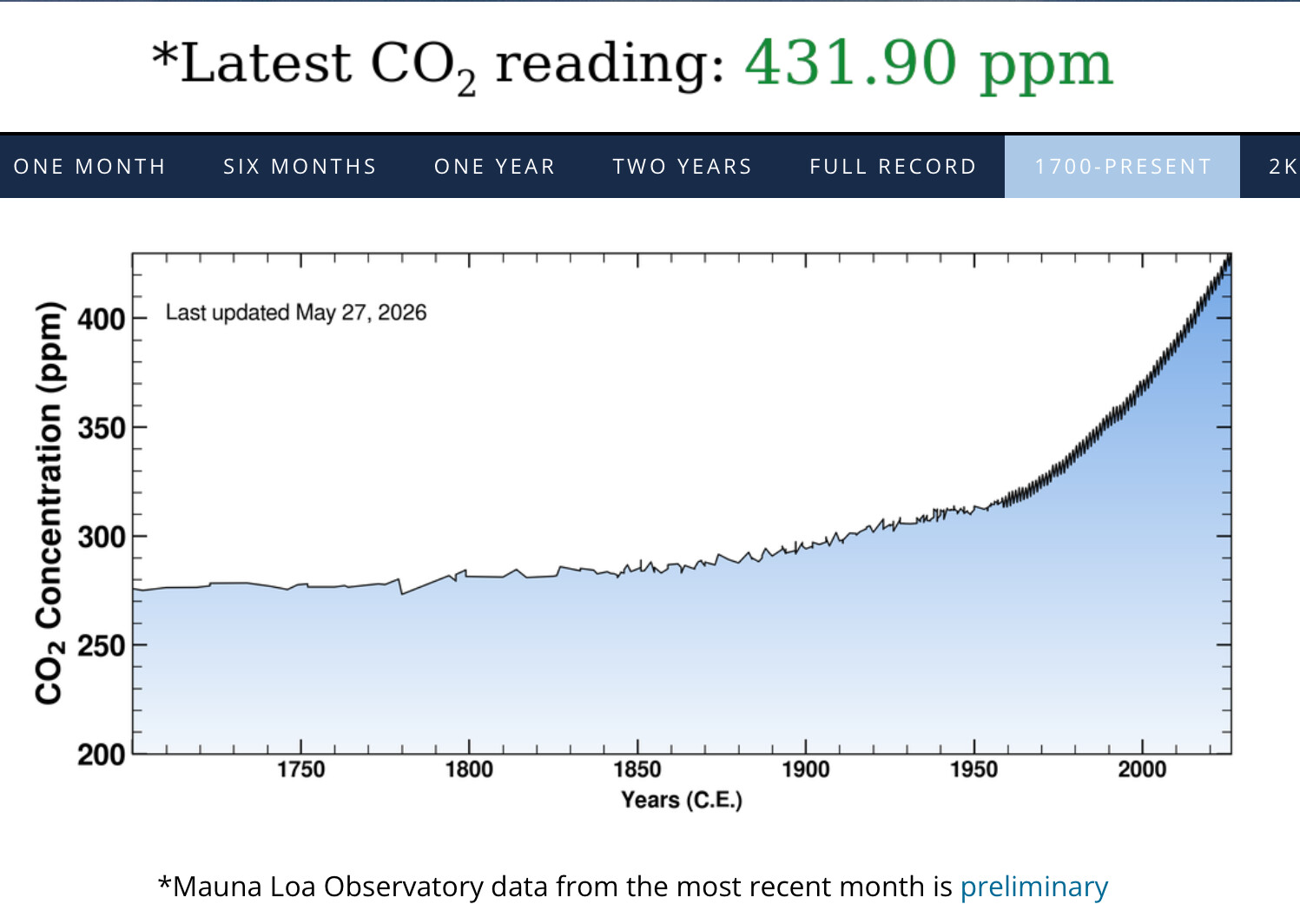
Scientific facts don’t support what you say. Here, with sources.
When carbon dioxide CO2 is released into the atmosphere from the burning of fossil fuels, approximately 50% remains in the atmosphere, while 25% is absorbed by land plants and trees, and the other 25% is absorbed into certain areas of the ocean. In other areas of the ocean, where the concentration of CO2 is higher in the water than in atmosphere above, CO2 is released to the atmosphere.
This transfer of CO2 out of the ocean to the atmosphere is referred to as a positive “flux” while a negative flux means that the ocean is absorbing CO2. The ocean has a complicated pattern of both positive and negative fluxes. Prior to the Industrial Revolution and the burning of fossil fuels, the net global ocean flux was slightly positive to offset the absorption of CO2 from the land plants. Today, humans have reversed that trend so the oceans absorb more CO2 than they release although the complicated pattern of positive and negative fluxes still exists.
1 Like
Climates are defined by the Koppen classification system.
Have not read of a single place having its Koppen classification changed.
If the area climate changes,then we give it a new classification.