I read 48 books in 2025. All fiction.
3 Likes
i read 50 a few years back in a year just to see if i could do it, one every two weeks is leisure reading for me; even if lived to be 100 before being put back in the ground; 50 a year is a pinprick over what is published yearly; enjoy what you read rather than zipping thru them.
1 Like
I read every night for about an hour before I go to sleep. Many nights, I wake up and can’t fall back to sleep so I’ll read for another hour or two. On the weekends, if there isn’t a game I’m interested in watching, I’ll read some more.
1 Like
I enjoy reading this thread — i get some good ideas here — Personally, I’m a history guy and reading a well-written history of what’s actually happened is fascinating to me.
2 Likes
you might check neptunes inferno and 53 days on starvation island, neptune is about the navy at Guadalcanal and 53 days is about the marine pilots there.
1 Like
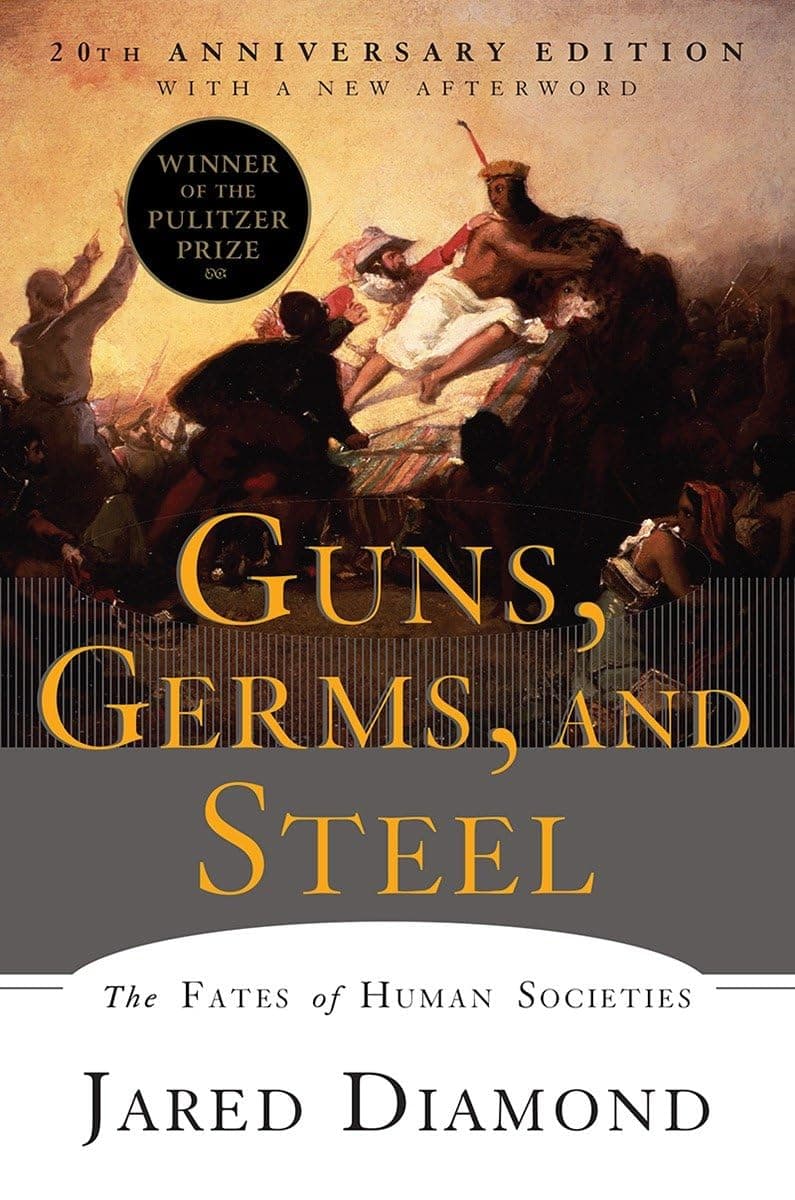
Fascinating book that traces why some societies seemed to progress much more rapidly than others. Too much info to describe here but here’s one key point:
In Eurasia — from Western Europe to the East Coast of China — there is a belt with regions of broadly similar climate. So once key food resources emerged in the Fertile Crescent, they could spread thousands of miles east & west. The food enabled complex societies which led to language, government, superior war-fighting skills, etc., which could also easily spread across Eurasia.
Recommended.
Guns, Germs, and Steel (post above) is one of Charlie Munger’s recommended books. He said “In my whole life, I have known no wise people who didn’t read all the time—none. Zero.”
Many folks have compiled lists of the books he’s suggested. Here are a few of them.
Link: Charlie Munger: Book Recommendations That will Make you Smarter
Faraday, Maxwell, and the Electromagnetic Field: How Two Men Revolutionized Physics — “It’s a combination of scientific biography and explanation of the physics, particularly relating to electricity. It’s just the best book of its kind I have ever read, and I just hugely enjoyed it. Couldn’t put it down. It was a fabulous human achievement. And neither of the writers is a physicist.”
From Grok—
Charlie Munger recommended numerous books across decades in speeches, interviews, Berkshire Hathaway meetings, Daily Journal meetings, and Poor Charlie’s Almanack. No single “official complete list” exists from Munger himself, but compilations from reliable sources (such as fs.blog, Poor Charlie’s Almanack references, and verified mentions) identify the most frequently cited and strongly endorsed titles. The following represents the core, widely recognized recommendations, focused on those with direct attribution from Munger.
Munger emphasized multidisciplinary reading (psychology, biology, history, physics, economics) to build a “latticework of mental models.” Sources like fs.blog and compilations from Berkshire/Daily Journal mentions provide the most consistent attributions; lists vary slightly by source but converge on these titles as central. For exhaustive variants (50+ mentions), refer to aggregated sources such as fs.blog or Poor Charlie’s Almanack.
Poor Charlie’s Almanack: The Wit and Wisdom of Charles T. Munger (edited by Peter D. Kaufman): Compilation of Munger’s speeches and thoughts on mental models, worldly wisdom, psychology of misjudgment, and multidisciplinary thinking. Munger’s own synthesized ideas serve as a foundational text.
Influence: The Psychology of Persuasion by Robert Cialdini: Examines six principles of persuasion (reciprocity, commitment, social proof, authority, liking, scarcity) and how they drive human behavior, with applications to avoiding manipulation.
The Psychology of Human Misjudgment (Munger’s own talk/appendix in Poor Charlie’s Almanack): Details 25 cognitive biases and tendencies leading to errors in judgment, forming a core part of his latticework of mental models.
The Selfish Gene by Richard Dawkins: Explains evolution through gene-centered view, introducing concepts like memes; aids understanding of biological and cultural evolution.
Guns, Germs, and Steel: The Fates of Human Societies by Jared Diamond: Analyzes geographic, environmental, and technological factors explaining why some societies advanced faster than others.
The Autobiography of Benjamin Franklin : Franklin’s account of his life, self-improvement methods, and practical wisdom; Munger frequently cited it as a model for personal development and ethics.
Titan: The Life of John D. Rockefeller, Sr. by Ron Chernow: Biography of the oil industry pioneer, detailing business strategy, philanthropy, and ruthless competition.
The Outsiders: Eight Unconventional CEOs and Their Radically Rational Blueprint for Success by William N. Thorndike: Profiles CEOs (including Henry Singleton) who maximized shareholder value through unconventional capital allocation.
Judgment in Managerial Decision Making by Max H. Bazerman and Don A. Moore: Textbook on cognitive biases in business decisions, with frameworks for improving judgment under uncertainty.
Deep Simplicity: Bringing Order to Chaos and Complexity by John Gribbin: Introduces chaos theory, complexity, and nonlinear systems, relevant to understanding unpredictable real-world dynamics.
Fiasco: The Inside Story of a Wall Street Trader by Frank Partnoy. Exposes derivatives and risk mismanagement.
Only the Paranoid Survive by Andrew S. Grove: Discusses strategic inflection points in business and the need for vigilance against disruption.
The Wealth and Poverty of Nations by David S. Landes: Examines economic history and why some nations prospered while others stagnated, emphasizing culture, institutions, and innovation.
Ice Age by John Gribbin and Mary Gribbin. Covers climate history and its impact on human development.
Darwin’s Blind Spot Focuses on cooperation in evolution, countering pure competition views.
1 Like
My epitaph should be the same as Japanese philosopher Togai: “He cared for nothing but books. His life was uneventful.”
2 Likes
Fiction is my thing as well. Great way to escape.
2 Likes
thanks, Charlie has been fastly moving up my chart of favorite people in history; too bad he was behind buffets shadow so many years.
also, here’s a link to book recommendations by a lot of people; may not be up to date; but lists a lot of people and books they recommended. has people like musk, degrass tyson, thatcher, but also people like jennifer lawerence, who i believe did not finish high school; her recommendations reflect that.
1 Like
Charlie liked it that way. Buffet was smoother. Charlie was too blunt.
I loved Charlie’s comment on bitcoin, “rat poison”
2 Likes
I agree on Guns, Germs, and Steel.
One of my favorite non fiction is
I like writers who don’t take the approach that extreme specialist achievement is the only or even primary ingredient in success. It’s fairly in the Freakonomics zone as far as attitude and style. There are elements of the mindset of Thinking: Fast and Slow by Kahnemann but more accessible.
While it’s political and tips my hand a little, I still love Jonah Goldberg’s third book, Suicide of the West. I’m not on board with every little thing, and some, by his own admission, doesn’t fit the alignment of post covid and maga as well as when he started writing it. That said, it’s full of references to other great writing and essential intellectual history that most people don’t understand well, and the closing chapter is a stirring and convicting summary of why our general lack of gratitude is creating so many problems that don’t need to exist.
I love the history series by Thomas Cahill, beginning with How The Irish Saved Civilization, similar histories like Our First Revolution and How The Scots Invented The Modern World, and American Nations by Colin Woodard.
Tom Holland’s books and podcast are great, especially Pax and Dominion.
I got sent on a great reading odyssey by The Medieval Mind of CS Lewis, by Jason Baxter. On his recommendations I’ve read Boethius, the Sayings of the Desert Fathers, Confessions of Augustine, Dante, and currently working through The Roman de la Rose. Alongside Cahill, I also picked up The Bright Ages by Perry and Gabriele.
Between all these historical perspectives in books I’ve listed, I’ve come to see a lot of continuity right back to Roman times, and roots of modern issues in surprisingly distant past events. It’s great for laughing at people who tell you every year that this is the most consequential election or unprecedented event in history.
It’s possible that for all our science and technology we’re just stupider that we used to be because we have destroyed most of the connective tissue in our knowledge that actually helps make sense of the world. It’s no wonder that we’re so well off and yet so anxious and contemptuous and ill mannered.
1 Like
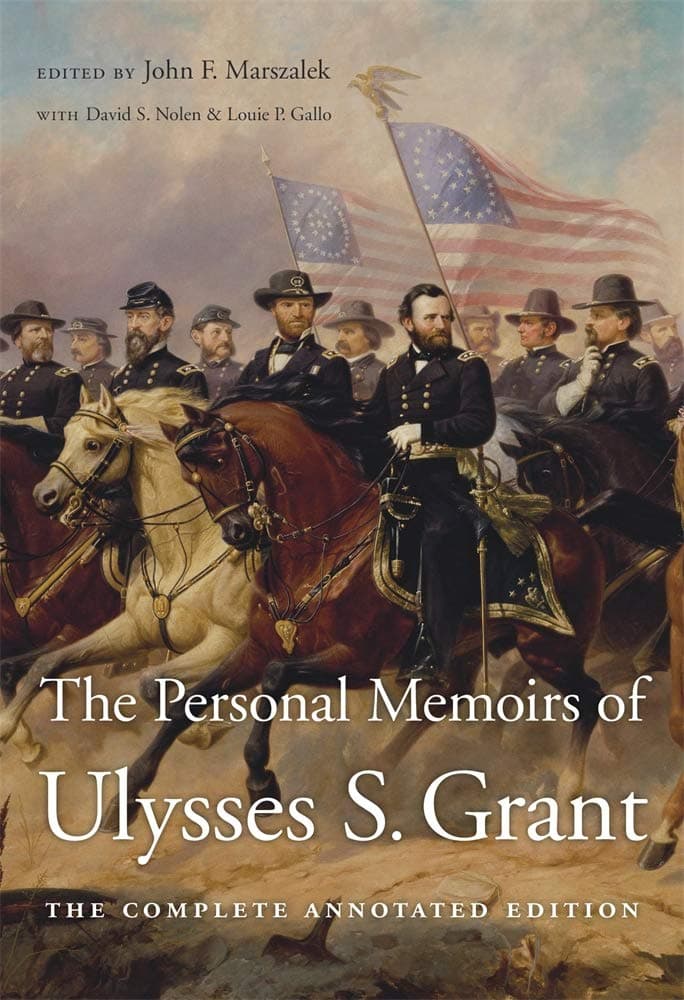
Just started and pretty good so far. Grant writes in a straightforward, easy to read style.
Grant was a poor public speaker and many assumed he also could not write well. This book demonstrates that wasn’t true. I haven’t gotten to the Civil War but, supposedly, his battle orders were unmistakably clear, a crucial quality.
So far, chapters are short (10-12 page) vignettes of events in his life starting from the beginning.
Currently I’m on the US-Mexico War of 1846 — about to attack Monterrey.
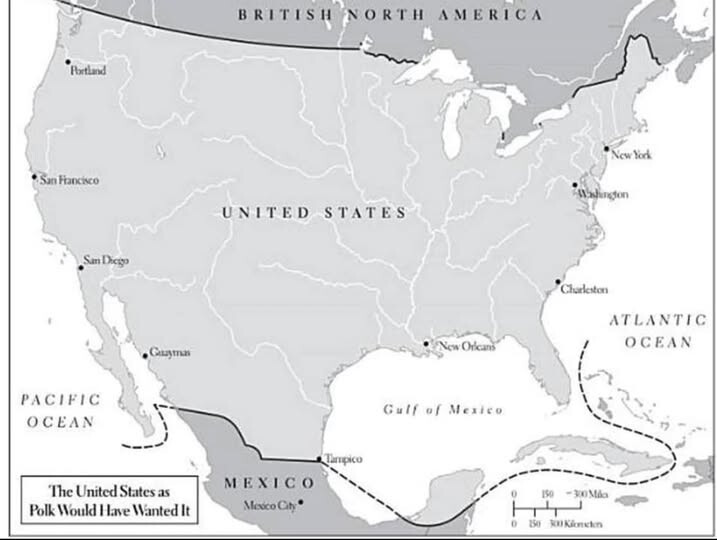
Tidbit — I recall from history that Mexico wanted the border the with US to be the Nueces River in Corpus Christi. I did not know until I read this book that their reason was that the province of Texas had no claim or jurisdiction below the Nueces.
I read elsewhere that our peace negotiator was supposed to ask for land all the way down to Tampico
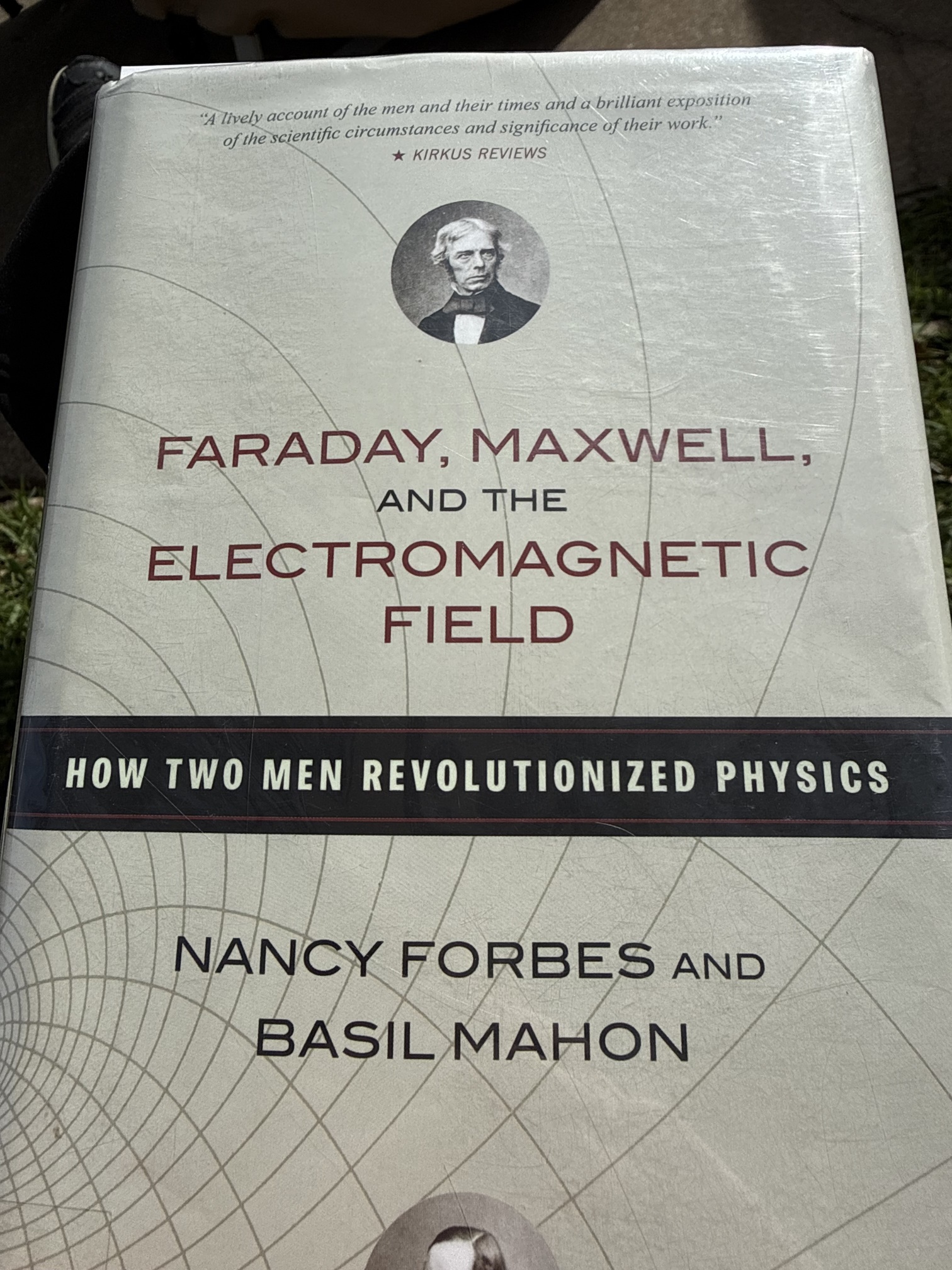
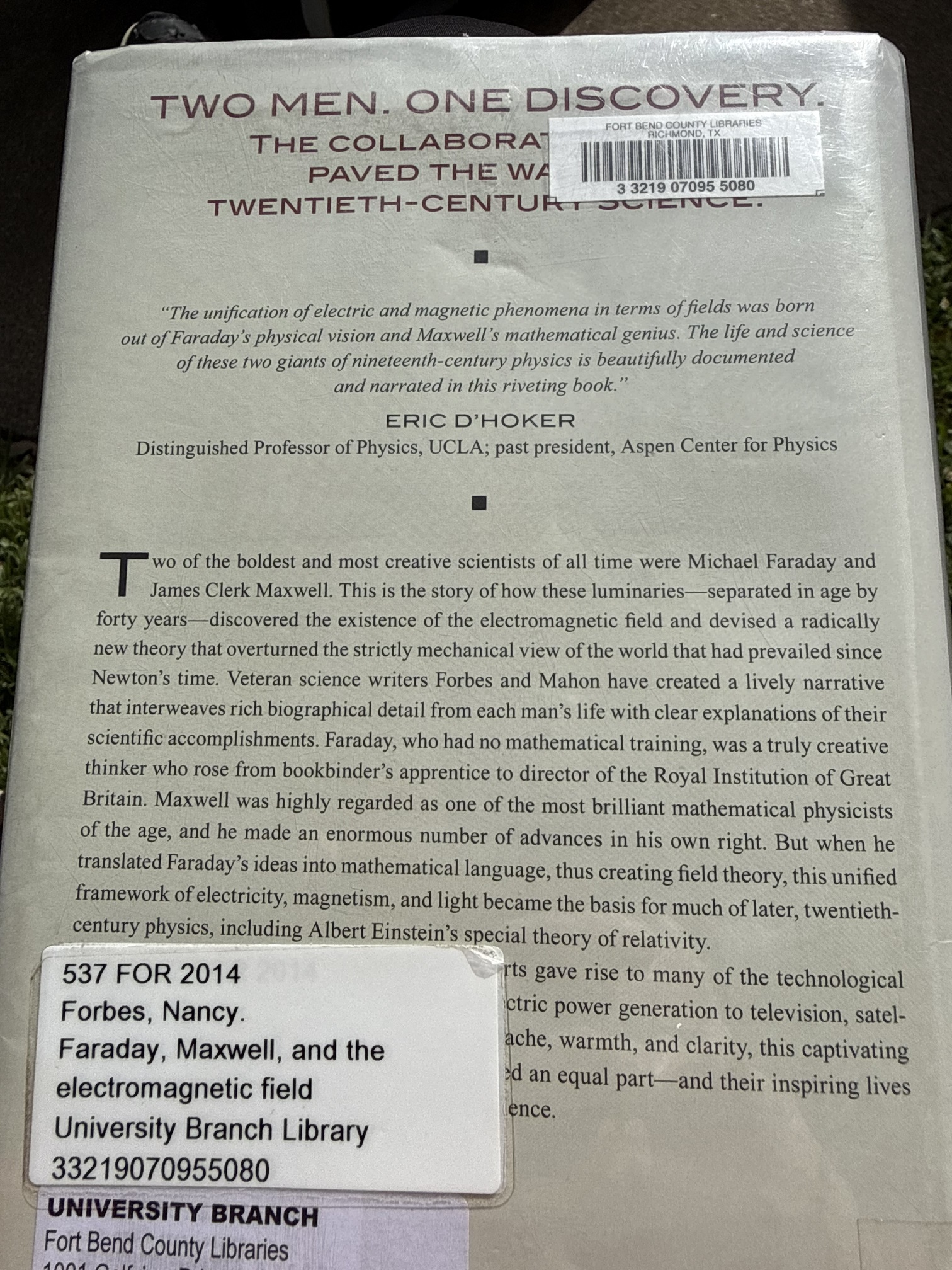
Recently finished the faraday book. Excellent read
1 Like
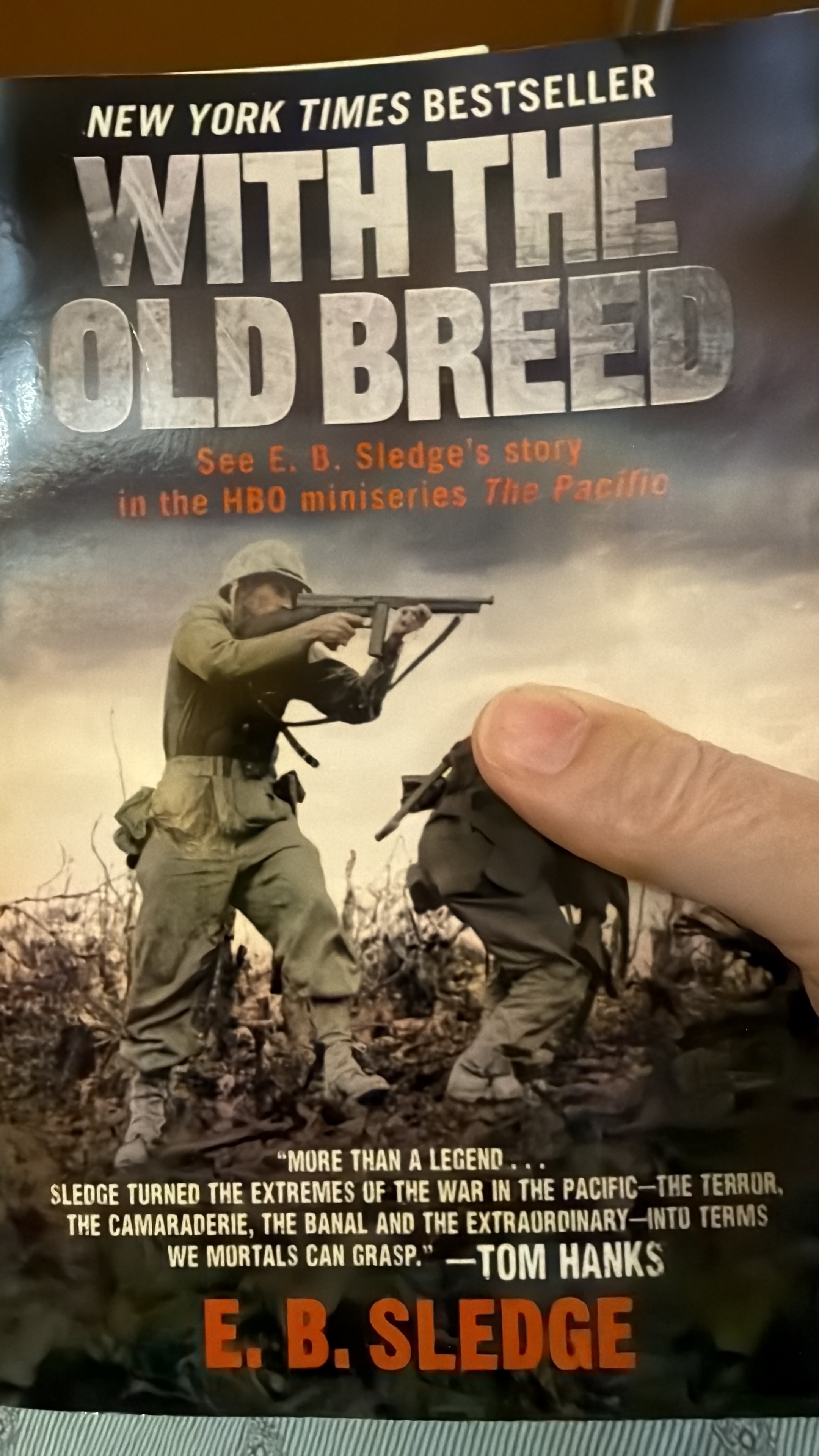
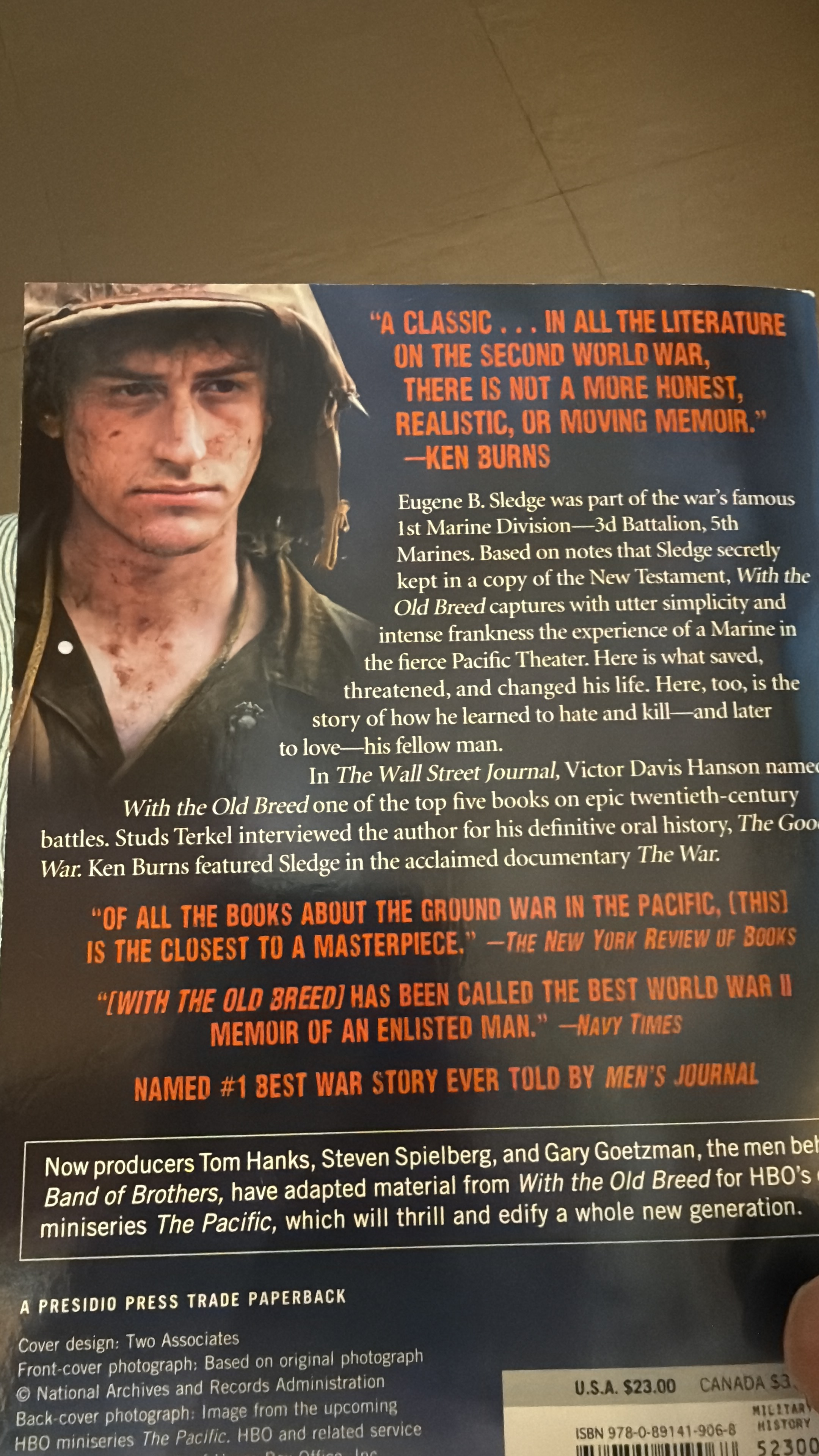
A classic
As a PSA, this popped up on my Amazon feed this morning
3 Likes
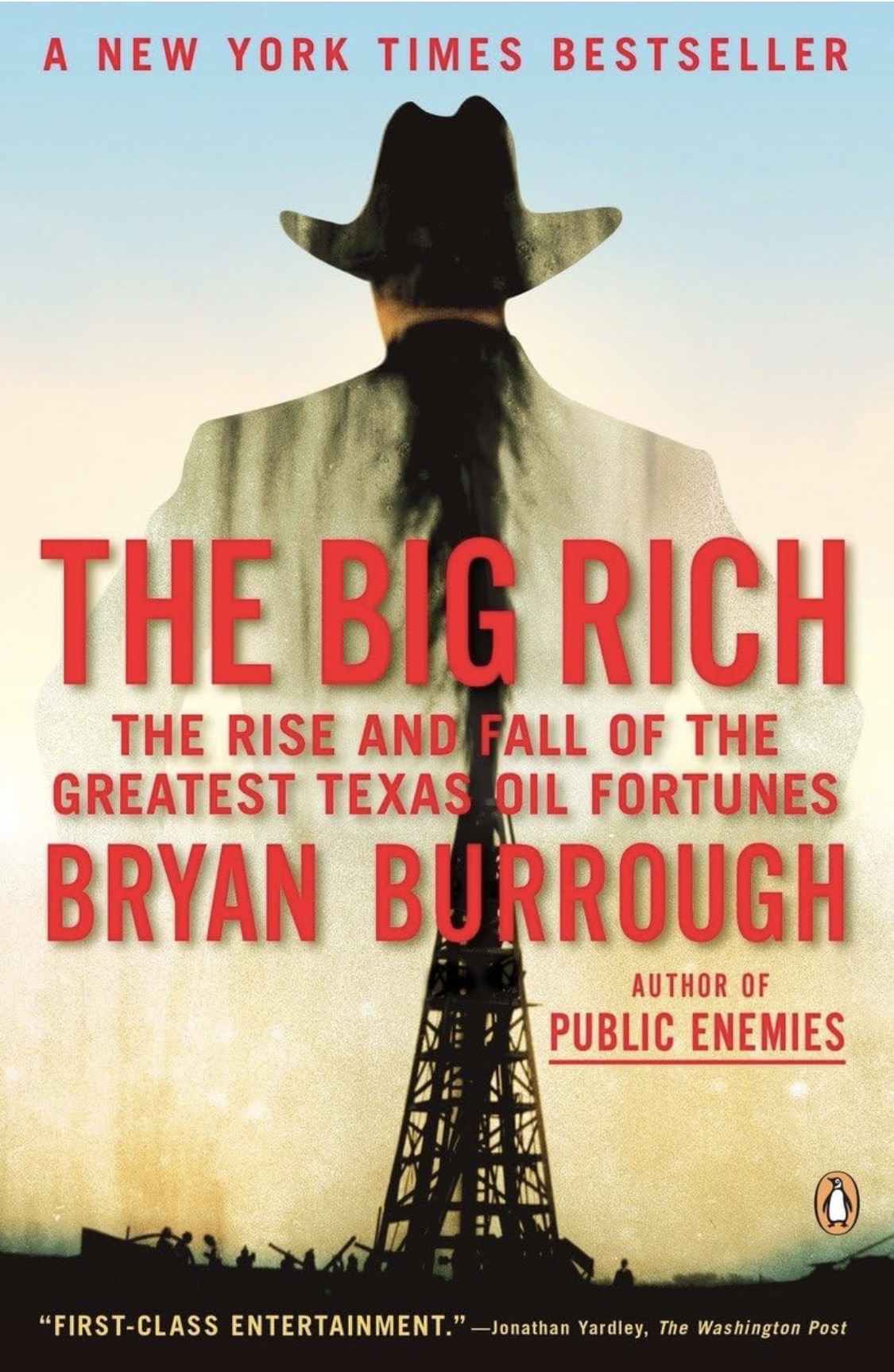
Good stories
1 Like