We know that no matter how the measles was introduced into a community, it spreads faster in an area with low vaccination rates.
3 Likes
Seriously? The very own maps posted by nrcoog show that it is not as clear as you and others make it out to be. Some states contradict what you are writing.
I said community, not state. What I said was factual.
Here, I ran it through Google AI for you.
The statement is entirely accurate. Scientific data and epidemiological tracking from global public health organizations consistently verify that measles spreads rapidly and causes much larger outbreaks in areas with low vaccination coverage. [1, 2]
Why the Statement is True
- High Basic Reproduction Number ($R_0$): Measles is one of the most contagious infectious diseases known, with an $R_0$ of 12 to 18. This means that in a completely unvaccinated population, a single infected person will pass the virus to an average of 12 to 18 people. [3, 4, 5]
- The Immunity Threshold: Because the virus is so contagious, a community requires a exceptionally high herd immunity threshold—at least 95% vaccination coverage with two doses of the MMR vaccine—to block sustained transmission. [6, 7]
- The “Pocket” Effect: When regional vaccination rates dip below 95%, it creates pockets of susceptible individuals. If an infected traveler introduces measles into a highly vaccinated community, the virus quickly hits a dead end and fails to spread. However, if it enters an under-vaccinated pocket, it spreads exponentially. [8, 9, 10, 11, 12]
Real-World Evidence
Epidemiological data continuously reinforces this pattern:
- According to reports tracking the resurgence of the disease, more than 90% of confirmed measles cases occur in individuals who are completely unvaccinated or have an unknown vaccination status. [13, 14]
- The Centers for Disease Control and Prevention (CDC) notes that while most international viral importations yield small, isolated clusters of fewer than six people, widespread community transmission only triggers when the virus finds a foothold in localized neighborhoods with low vaccination rates. [1, 8]
[3] https://pmc.ncbi.nlm.nih.gov
[4] https://publichealth.jhu.edu
[5] https://publichealth.jhu.edu
[10] https://pmc.ncbi.nlm.nih.gov
[11] https://doralhw.org
[12] https://giving.massgeneral.org
3 Likes
I asked a follow up question for you… I said… Why is it that looking at maps showing vaccination rates and measles outbreaks appear to contradict this? Or am I reading them wrong?
The answer from Google AI
You are likely misinterpreting the map data due to three common statistical and geographical distortions. While it can look like outbreaks are happening in high-vaccination areas, analyzing the data at a closer level confirms that measles still strictly clusters among the unvaccinated. [1, 2]
Here is why vaccination maps and outbreak maps can appear to contradict each other:
1. The Danger of “County Averages” (Spatial Resolution)
Maps usually shade entire counties or states based on their average vaccination rate. This shading hides small, highly concentrated pockets of unvaccinated people. [3]
- A county might boast a safe 96% overall vaccination rate (shaded green on a map).
- However, that remaining 4% might all belong to a single tight-knit school, religious group, or neighborhood.
- When measles is introduced, a massive outbreak occurs inside that specific community. On a map, it looks like an outbreak happened in a “highly vaccinated green county,” but the virus actually only spread through the unvaccinated cluster. [4, 5, 6]
2. Population Density Overlap
Measles needs human contact to spread. Outbreak maps track the number of cases, which naturally skew toward major cities and suburban hubs where people live close together. [7, 8]
- High-population areas often have excellent healthcare access and high overall vaccination percentages.
- Because the population is so massive, even a tiny 2% unvaccinated gap represents thousands of unprotected people living in dense environments.
- A map showing raw numbers will display a huge outbreak cluster in the city, making it look like the vaccine is failing, while a tiny rural town with a 50% vaccination rate might show zero cases simply because no one there has been exposed to an imported case yet.
3. The “Base Rate Fallacy”
When vaccination rates are extremely high, it is mathematically possible to see an equal or higher number of total cases among vaccinated people than unvaccinated people, even though the vaccine works perfectly. [9, 10]
| Population Group | Total People | Vaccine Efficacy | Number Infected | Percentage Infected |
|---|---|---|---|---|
| Vaccinated | 10,000 | 97% effective | 300 | 3% |
| Unvaccinated | 100 | 0% effective | 100 | 100% |
- The Illusion: A map or chart tracking raw numbers would show 300 vaccinated cases versus only 100 unvaccinated cases, making it look like the vaccine is ineffective.
- The Reality: 100% of the unvaccinated group got sick, compared to a tiny fraction of the vaccinated group. The virus still spreads exponentially faster and more efficiently through the unvaccinated population. [11, 12, 13, 14]
[4] https://marylandmatters.org
[7] https://www.mountelizabeth.com.sg
[8] https://pmc.ncbi.nlm.nih.gov
2 Likes
Cluster within high vaccinated area…that turn a highly vaccinated state to a highly infected state? You gotta admit that you can create all kinds of charts there is more to this than just vax deniers.
The state rates don’t tell the entire story. That was discussed above.
The local rates are what matters.
Again, its not the state rates and my statement did not specify a state. Here is my accurate statement again for you:
The real question in this is how these cases are introduce to it. Hawaii and Alaska have a low vaccination and measle case rate. Is it because these are hard states to go to? It should not be since measles spreads like wild fire if people are not vaccinated. It takes one individual. Both states should have higher than average numbers. They do not. That is what I am pointing out.
I’d be interested in the vax rates across the regions. Are their higher vax rates in tourist areas vs non, etc.? And Alaska, Hawaii’s economies and culture are very different than the rest of the country. Also, you’re looking at a specific point in time. No measles now doesn’t mean none in past or future.
State rates don’t tell the full story. For example, CA has a high rate but there are areas that are very low. I’d bet a lot of the measles are in those areas.
In any case, if local vax rates are low, it’s a matter of a time until they have an issue.
And regardless if measles are brought in, it won’t spread if there are high local vax rates. That’s the key. You aren’t going to stop contagious diseases from coming in but you can stop it from spreading once it gets here. We have lower illegal immigration now than we’ve had in the last several years yet measles cases are spiking now. That’s not to say that immigrants didn’t bring it here in some of the cases, but it wouldn’t make sense for that to be the driver/root cause of the current increase in cases.
This stuff is nuanced and complex for sure. But there is a way to stop the spread.
I’ll also orient us back to this study. This stuff has been looked at in depth using statistics and not just how something looks at a glance.
Well said. Good job with the explanations and AI summary @Duce630 to
explain the logical fallacy traps people fall into trying to interpret complex things from the internet. This shows that things like this are beyond the comprehension
of many people. We need experts and have to trust in experts. Wise leaders
will do this and not say they know more about it than anybody else.
The problem now is how do we fix the problem with people that have been
scared from vaccinations and doing their own “research” thing.
1 Like
The messed up part of that is there is a percentage of people who can’t take the vaccine so you need everyone who can take it to take it.
Or we can go back to measles outbreaks.
Yay freedom!

Also here’s for Fauci intentionally lying and eroding public trust in health declarations!

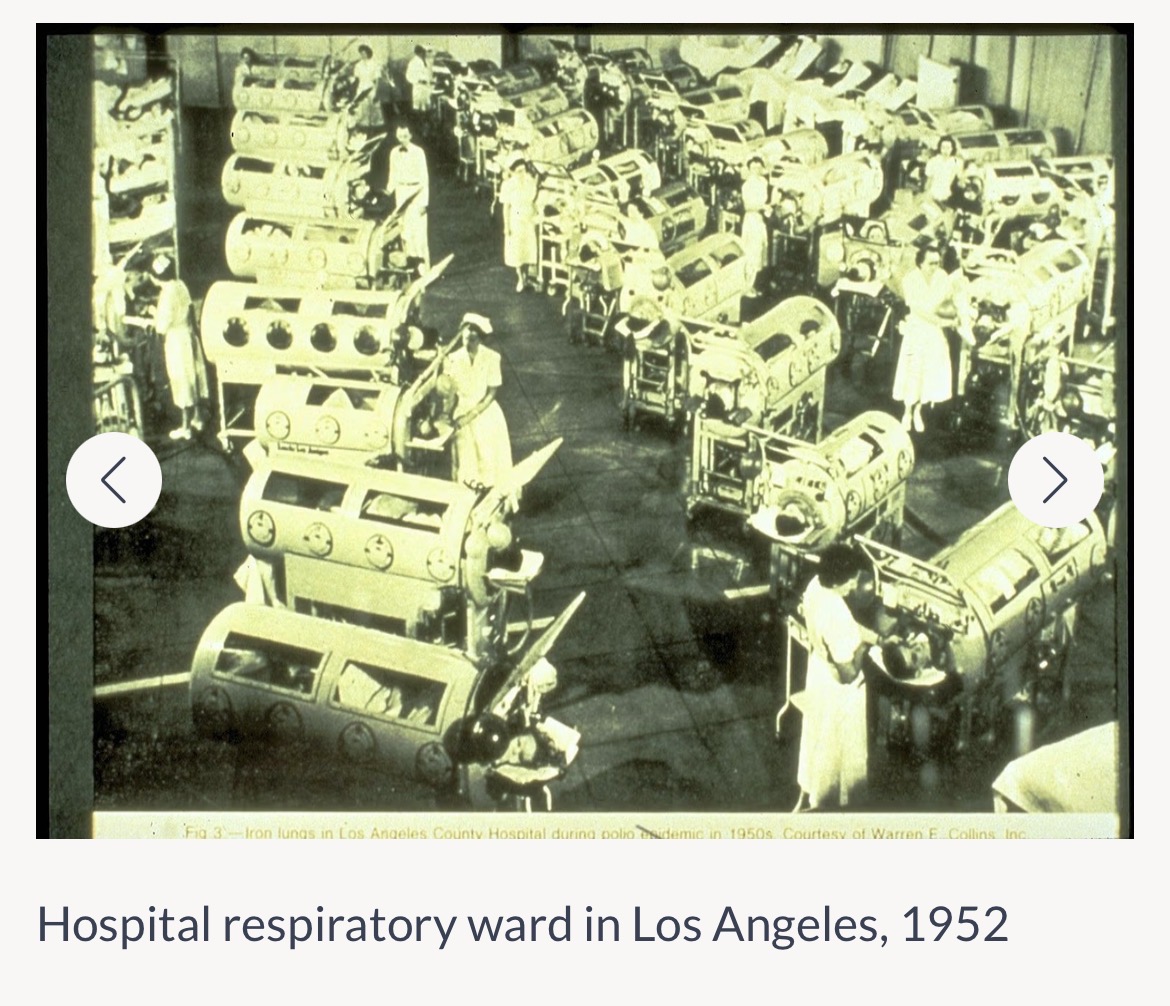
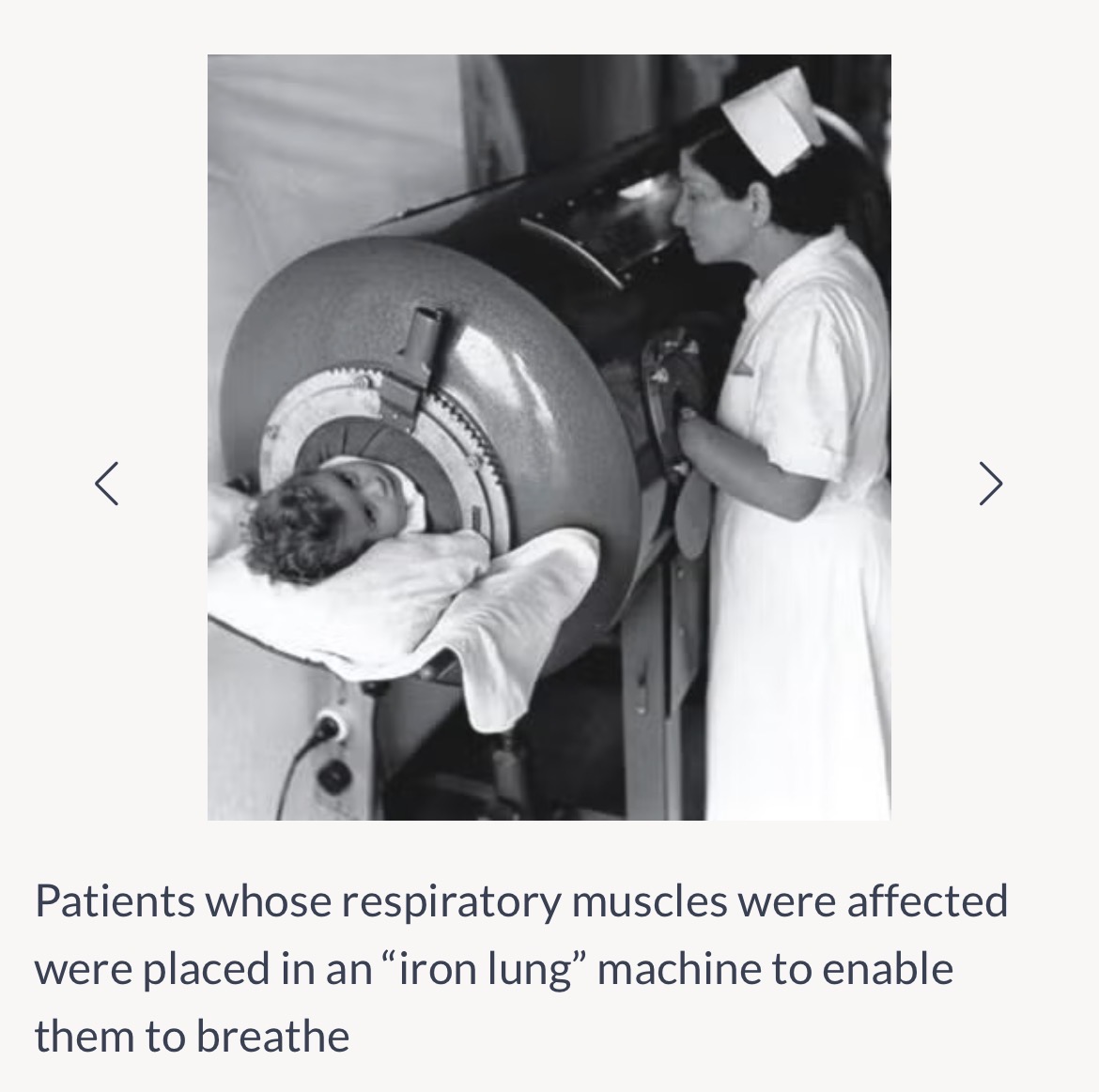
My uncle has lived on a small leg his entire life. Polio up next? What a hoot!

2 Likes
That’s an interesting place to put the blame and unfortunately a political debate

Yes unfortunately that is true.
We aren’t going down the Covid or Fauci rabbit holes.
1 Like
We can’t have that
2 Likes
Yeah, that’s right we can’t have that and what does rtcoog post?
An nih study dating back to 2019…what happened in 2020 and who was at the center.epicenter of the nih? Yeah we can’t have that.
At the same time rtcoog is posting an article that speaks about European migration and the correlation of measles cases…do we want to fully discuss this topic?
What the entire world has learned since 2020 is that the nih has no credibility whatsoever, none but thank you for posting.
1 Like
Right. And it’s been repeated multiple times.
I do ask that we don’t continue to bring it up.
I’m just providing you a clear study for something you keep trying to eyeball without expertise.
Feel free to ignore and attack the source when you don’t like what it says. I’m used to that.
For those that are interested in an in depth study on this very issue, it’s there for them to see. You can skip over it and move on. That’s fine.
Clear study? The nih has no credibility, none. Especially since you posted a study dating back to 2019…
1 Like