Its oriented east west to that its, ahem, symmetrical with the campus grid.
1 Like
Ok, thanks for pointing that out.
I do see that one endzone is just slightly more north than the other though. (Graphic below with north pointing “up”).
But I do see what you mean. And you’re right. It’s way more east-west.
That orientation is interesting since (I believe) that it became very common over the last century to have outdoor stadiums (especially in the south) have the field run north and south. This was done mainly, to ensure the “home” side benefits from shade in the afternoon and early evenings compared to the visitors side.
I just assumed (incorrectly) that this was likely here.
But I suppose one design aspect in this stadium’s orientation is the corner view of downtown. At least i think i remember reading that was an original intent, but one that since was made moot?
I think you’re not alone (in general). There are only a few high school stadiums (near where I live) that deviate from a north south orientation (for one reason or another). Sometimes due to age, sometimes due to some geographic boundary/limitation. And its a known consensus that the home crowd thinks that was an unfortunate (even if/when necessary/practical) choice.
I wonder how many of those nfl stadiums are open air in the south? Probably not many.
I think we mostly wanted east-west for the downtown skyline view which we subsequently largely blocked with the indoor practice facility.
As someone that sits on the north side, it really sucks for day games.
4 Likes
Oklahoma State also has an East/West orientation for what it’s worth.
Is this area only going to be available for people who paid to sit in these sections?
I think this looks pretty cool and will def attract people as the hang out spot. Only negative will be they wont be in their seats and we will b!tch about the empty sections on this site 
1 Like
I am sure that was part of it but not why, Re-read what I posted. We all have to consider the site itself. The feasibility study was done and determined the best orientation possible in relation to cost.
I’m not sure why or how changing the field orientation from what it was at Robertson would lower costs.
They wanted the skyline view, even did a cut out for it (which we later blocked).
I also think they were most worried about the home side when considering shade.
I thought the orientation was because it allowed a better fit for the footprint of the stadium within the site.
The stadium was oriented to square up the stadium with the surrounding streets and maximize the efficiency of the land. Robertson’s orientation left some odd, less efficient triangles of land.
That’s my recollection but I’ll have to find some historic aerials to confirm.
2 Likes
I’m sure there were multiple reasons. But it’s clear to me that skyline view mattered (until it didn’t lol).
2 Likes
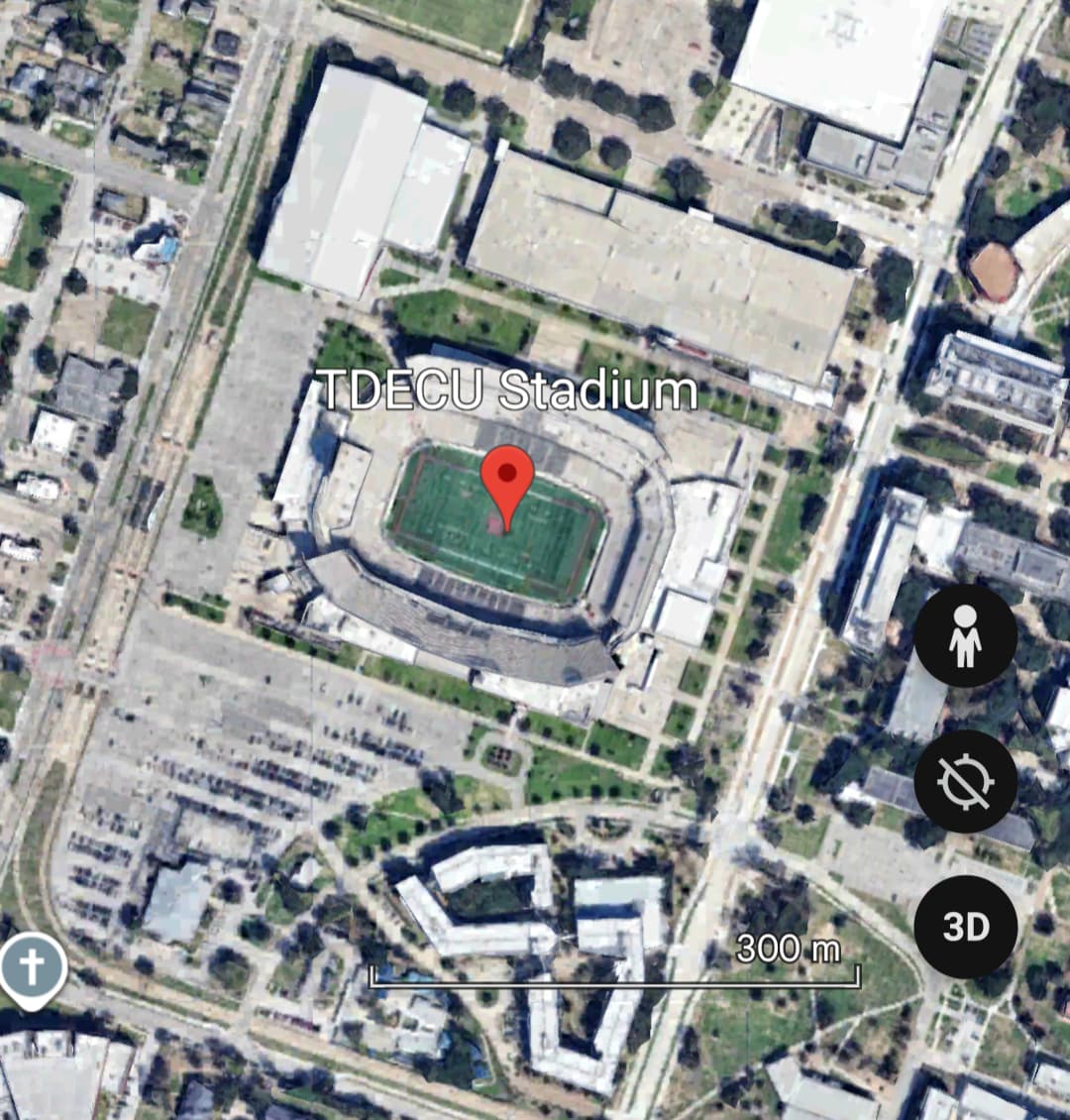
I think land use efficiency was the priority, and the skyline view was the “cool by-product” of the new orientation. As the saying goes, “they ain’t making any more land”.

8 Likes
Perhaps. We sold the heck out of that view though and even designed part of the stadium for it. It was definitely something they cared about.
I still find it ridiculous that they blocked it within a few years but that’s another story.
7 Likes
One more time:
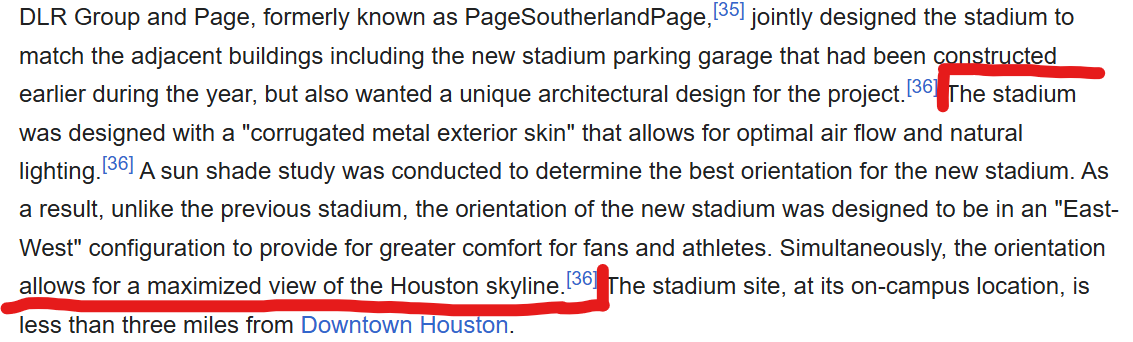
I did not do the feasibility study. The site’s study determines where, which direction the stadium will be built.
2 Likes
That doesn’t say what you say it does. If anything, it says what I’m saying.
Whatever.
No need to get upset. It’s just a conversation.
Skyline. Interesting…
Those old architects knew what they were doing didn’t they! Probably just used common sense instead of some “study” to determine orientation of the stadium.
2 Likes
Reads like they oriented it for the air flow and sun. The one liner on skyline sounds like they tossed it in at the last to appease some board member or donor that thought a skyline view would be cool.
Any corner could be used to show the skyline if oriented 90 degrees differently.
3 Likes